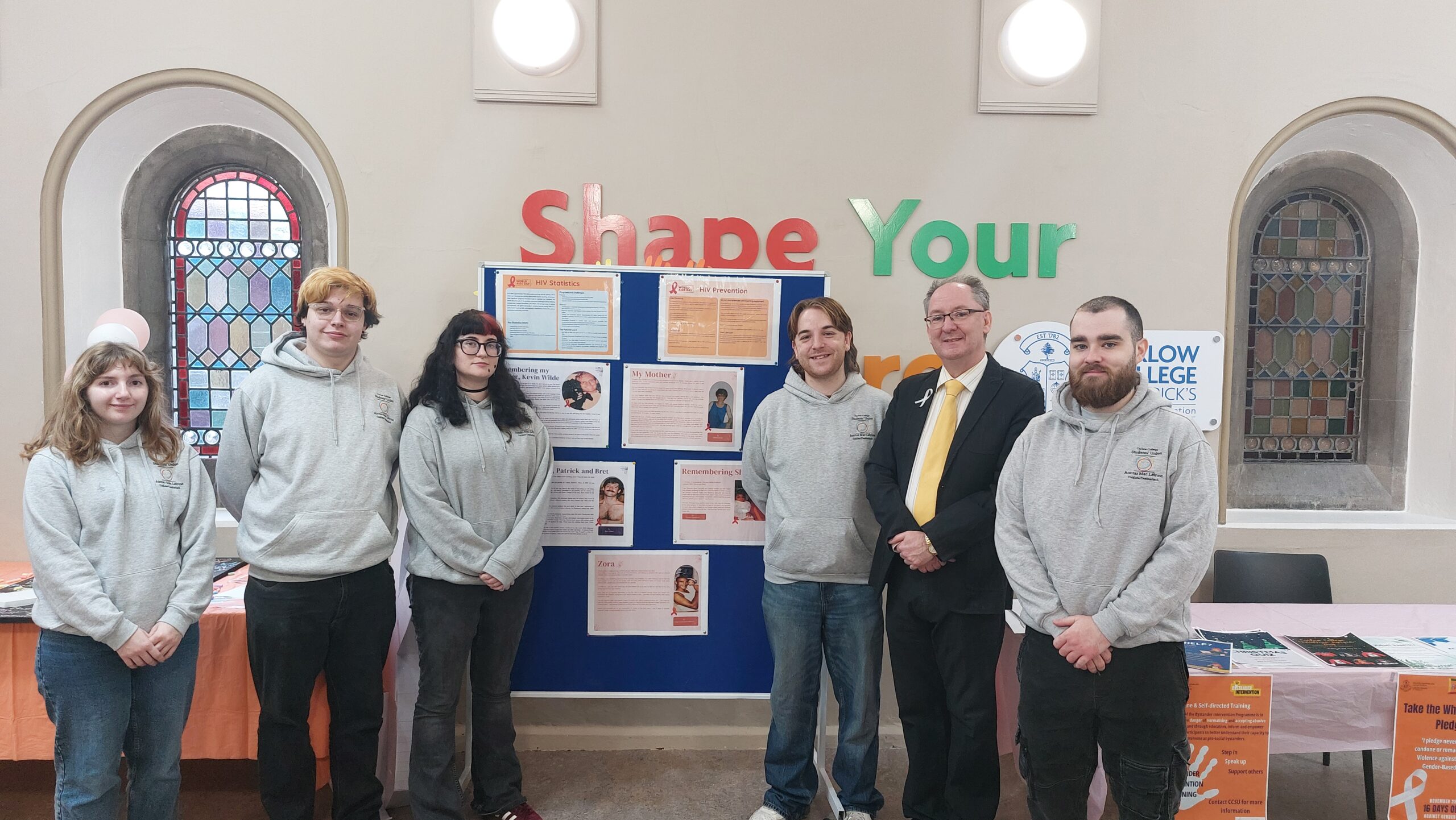
Carlow College Pride Society marked World AIDS Day by sharing personal stories and discussing the profound impact AIDS had on the LGBTQ+ community during its most devastating period in the 1980s and early 1990s.
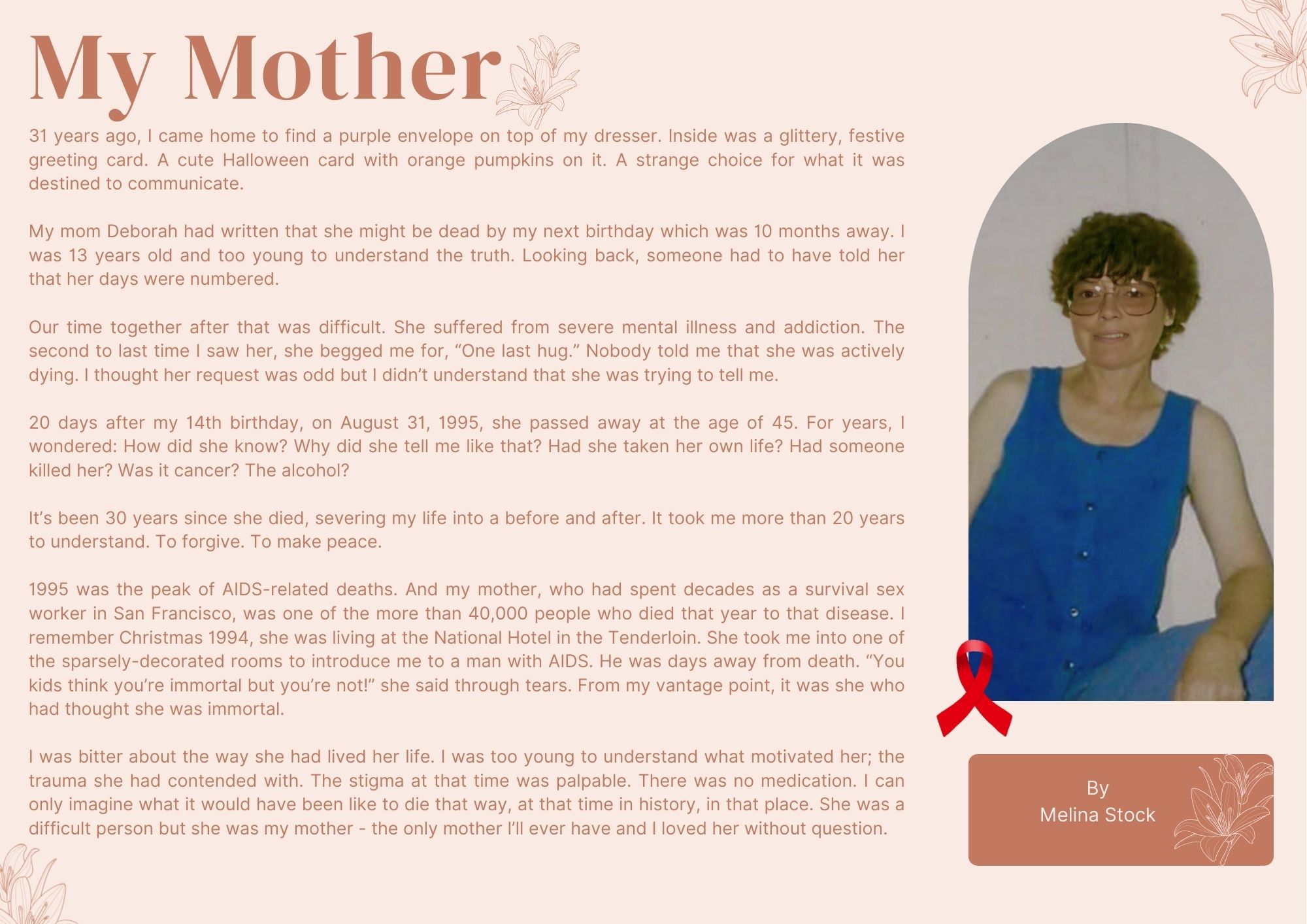
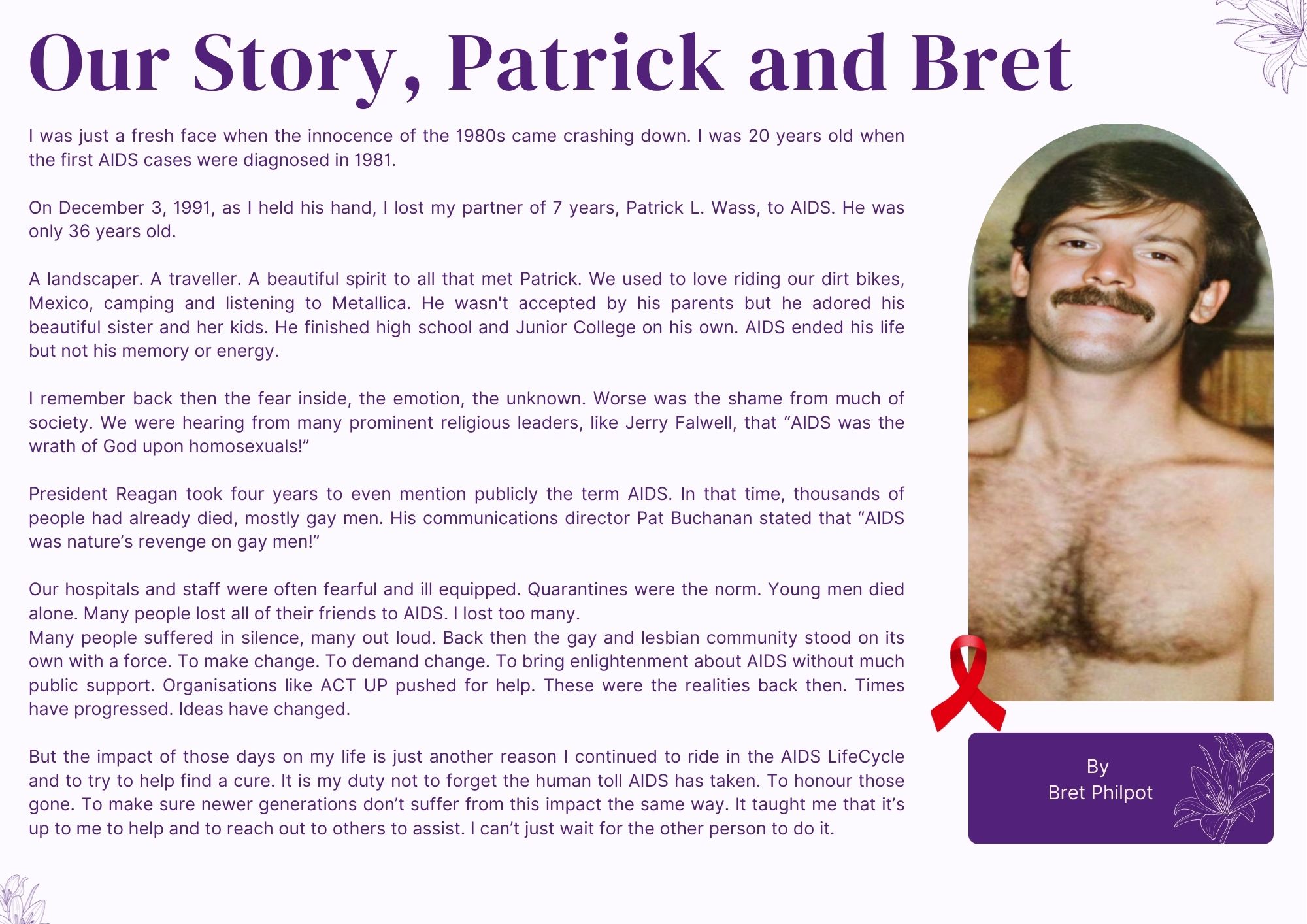
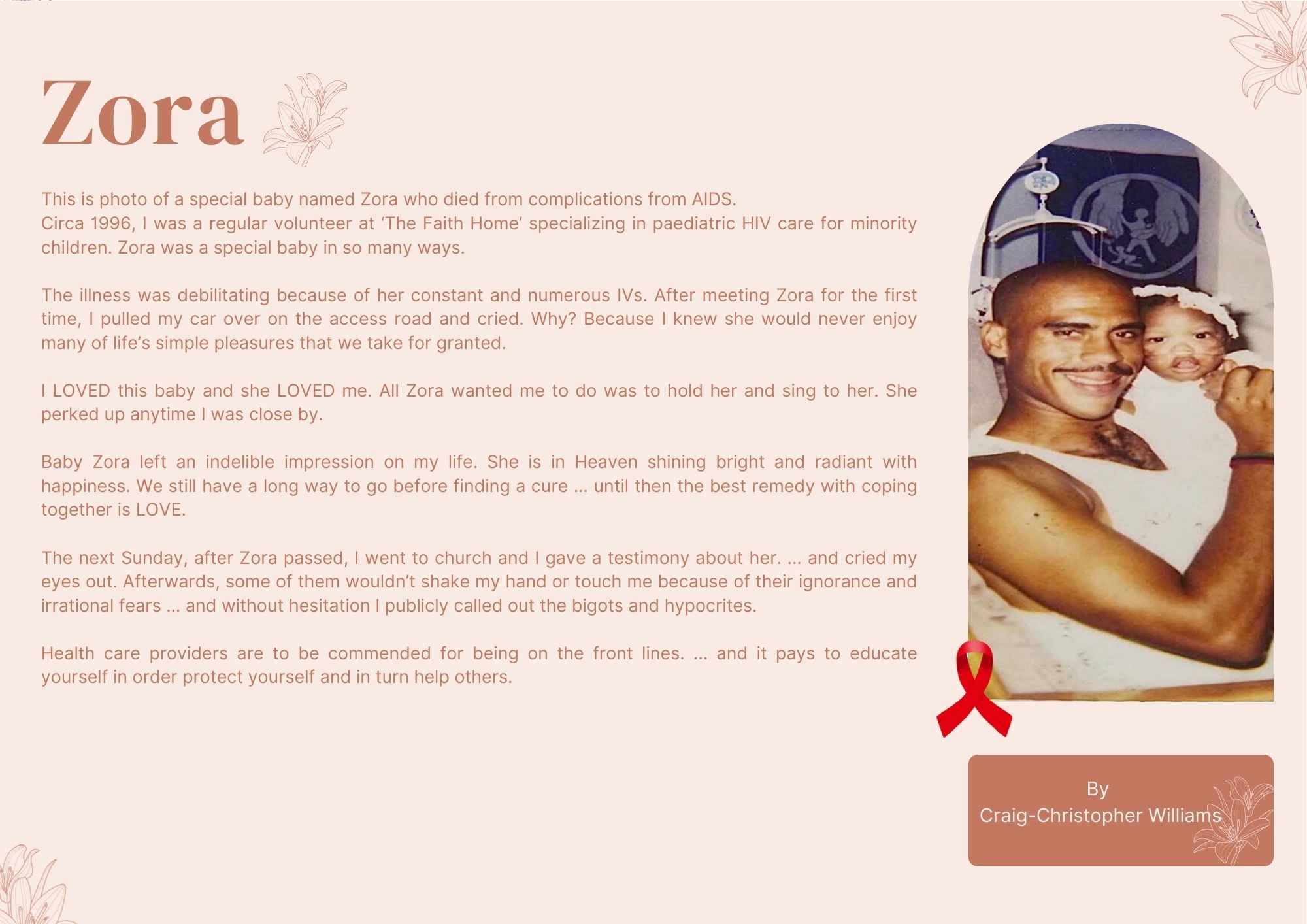
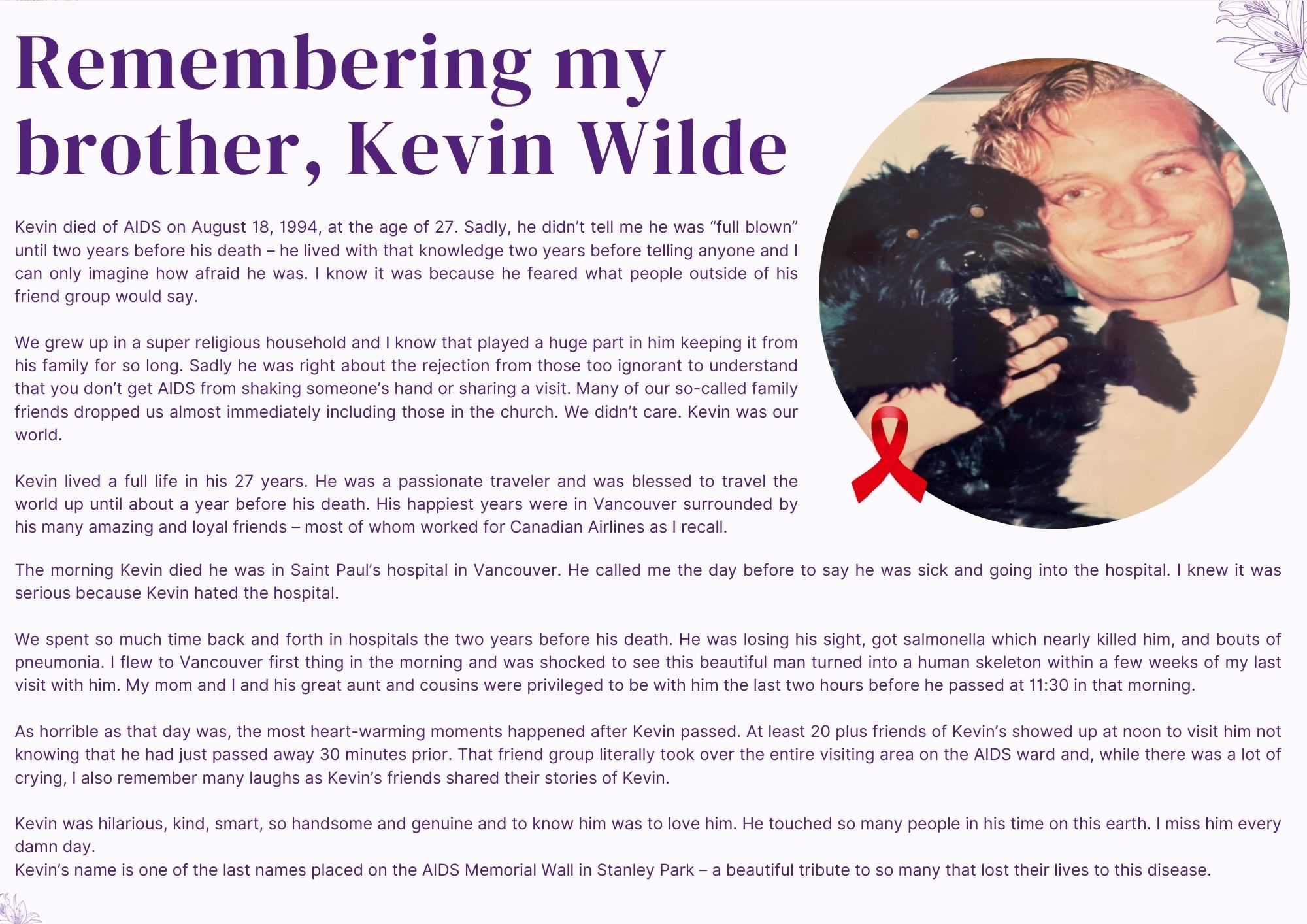
Dr Derek Coyle provided stories from The Aids Memorial Facebook page, showing the variety of those affected by the HIV epidemic.
After the speeches a candle was lit to remember all those affected by HIV.
Student Speeches
Today, as a college community, we pause to commemorate World AIDS Day not as a formality, not as a date we simply acknowledge, but as an act of collective remembrance and responsibility.
For me, standing here as a student, it means recognising that our campus is not separate from the world’s history, but deeply connected to it. The stories behind World AIDS Day stories of mothers, partners, brothers, children belong to all of us. They remind us that education isn’t just about assignments and lectures; it’s also about learning how to be human with one another.
When we gather as a community to mark this day, we choose empathy over silence. We challenge the stigma that once caused people to hide their diagnoses, or to die without the comfort of family. We choose to honour those whose lives were cut short, and those who fought with courage—from activists and carers to friends who refused to look away.
Commemorating World AIDS Day together also means recognising how far we’ve come. In Ireland, in our generation, we are lucky to live in a time when treatment is effective, when prevention is accessible, when testing is normalised and when LGBTQ+ people no longer have to live in the shadows of institutional shame. But these gains didn’t happen by accident; they came from decades of struggle, protest, and compassion.
By standing here together, we acknowledge that progress must be protected. That education, real education, grounded in humanity, is our best tool against stigma. And that sexual health is not something to whisper about, but something to speak about openly and responsibly.
In remembering those we lost, we commit ourselves to the living. To checking in on our friends. To accessing the resources that keep us safe. To being informed, respectful, and inclusive. To ensuring that no one in our college ever feels alone because of their status, their identity, or their fear.
For me, seeing our college community come together today sends a powerful message: that compassion is alive here. That remembrance is a shared act. And that the values we practice on this campus of empathy, solidarity, dignity, will follow us long after we leave its halls.
Today, we honour the past. We support the present. And we promise a future in which no one faces HIV or AIDS without care, without understanding, or without hope.
And now, as I light this candle, I do it as a simple act of respect. A reminder of the people behind the statistics, the voices behind the silence, and the work that still matters today. Let this small flame stand for reflection, for honesty, and for our commitment as a college community to face these issues with clarity, compassion, and responsibility.
Today, it’s important to have been reminded that World AIDS Day is not just a date on a calendar it’s a living archive of human experience. Reading these stories, I’m struck by how recent this history is, and how deeply it shaped the world I’ve grown up in.
Melina’s story of losing her mother at just 13 shows how HIV was not only a medical crisis, but a crisis of stigma, silence and misunderstanding. Her mother’s life, marked by trauma and poverty, reminds me how health and dignity are tied to social conditions and how compassionate support is something every person deserves.
Bret’s memory of his partner Patrick gives context to what it meant to love openly at a time when society refused to see your humanity. The fear, the shame, the loss of entire friend groups these are experiences that shaped LGBTQ+ rights long before I ever existed. His determination to keep fighting, to honour those lost, calls on us to continue that responsibility in our own time.
Reading about Kevin, who hid his diagnosis for years because he feared rejection from his family and church, reminds me why education and empathy matter. No one should be made to feel shame for seeking care, for being ill, or for being themselves.
And then there are the stories of Zora and Shardae, children who were denied the chance to grow up. Their short lives make it painfully clear how far the medical world has come, and how far society had to travel to understand and respond with love instead of fear.
As students, we often think of history as something distant. But these stories are real and raw, and remind us that the fight against HIV and AIDS is very recent and still ongoing. They remind us that progress happens because ordinary people refuse to stay silent: activists, caregivers, volunteers, partners, siblings, and parents who showed courage when the world turned away.
What these stories ask of us is simple: to stay informed, to challenge stigma whenever we encounter it, to protect our own health and the health of others, and to remember the human cost behind every statistic.
Today, we honour those we lost, and we commit ourselves to a future where no one faces illness alone, and where compassion, not fear, guides how we respond.
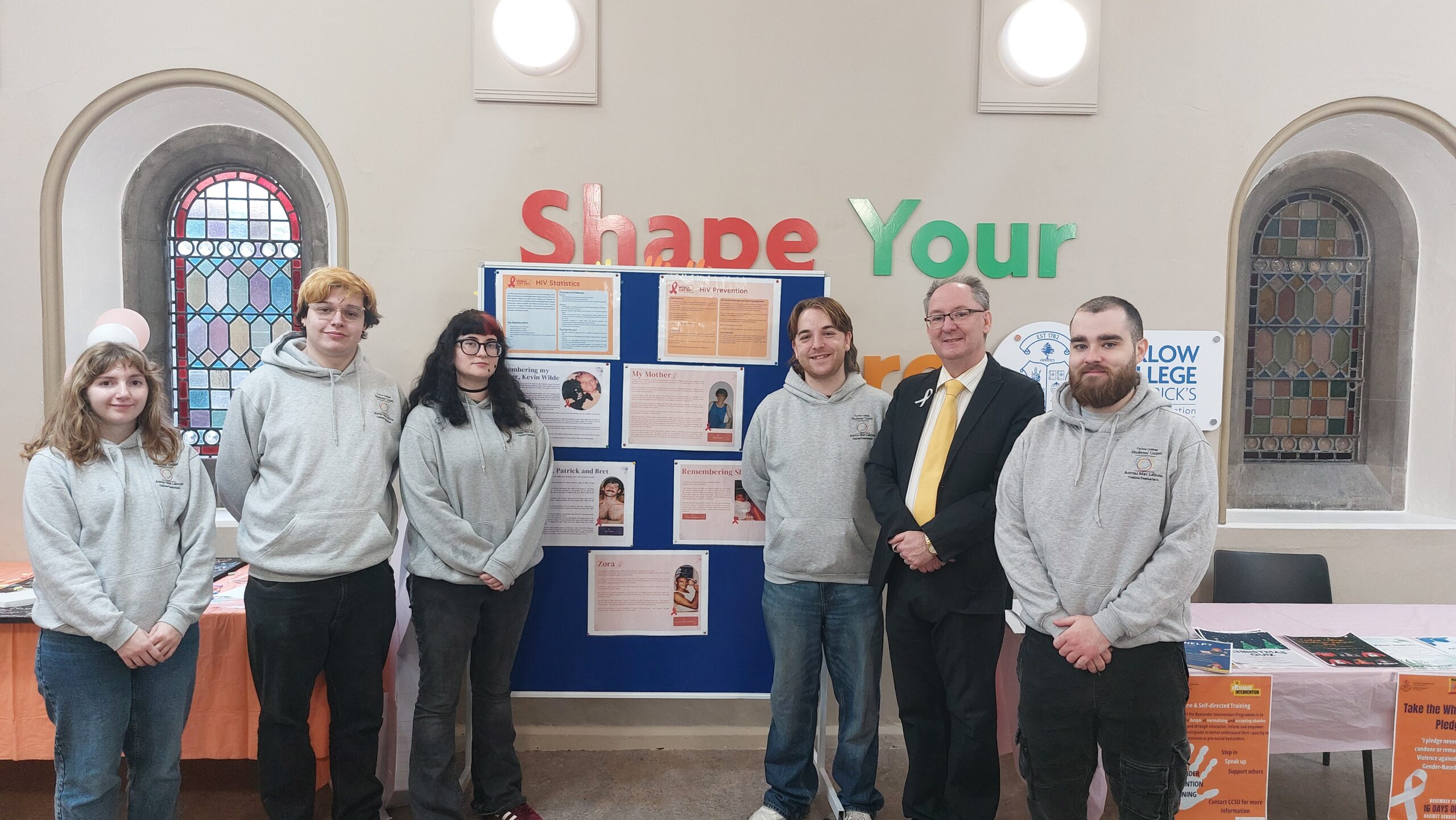
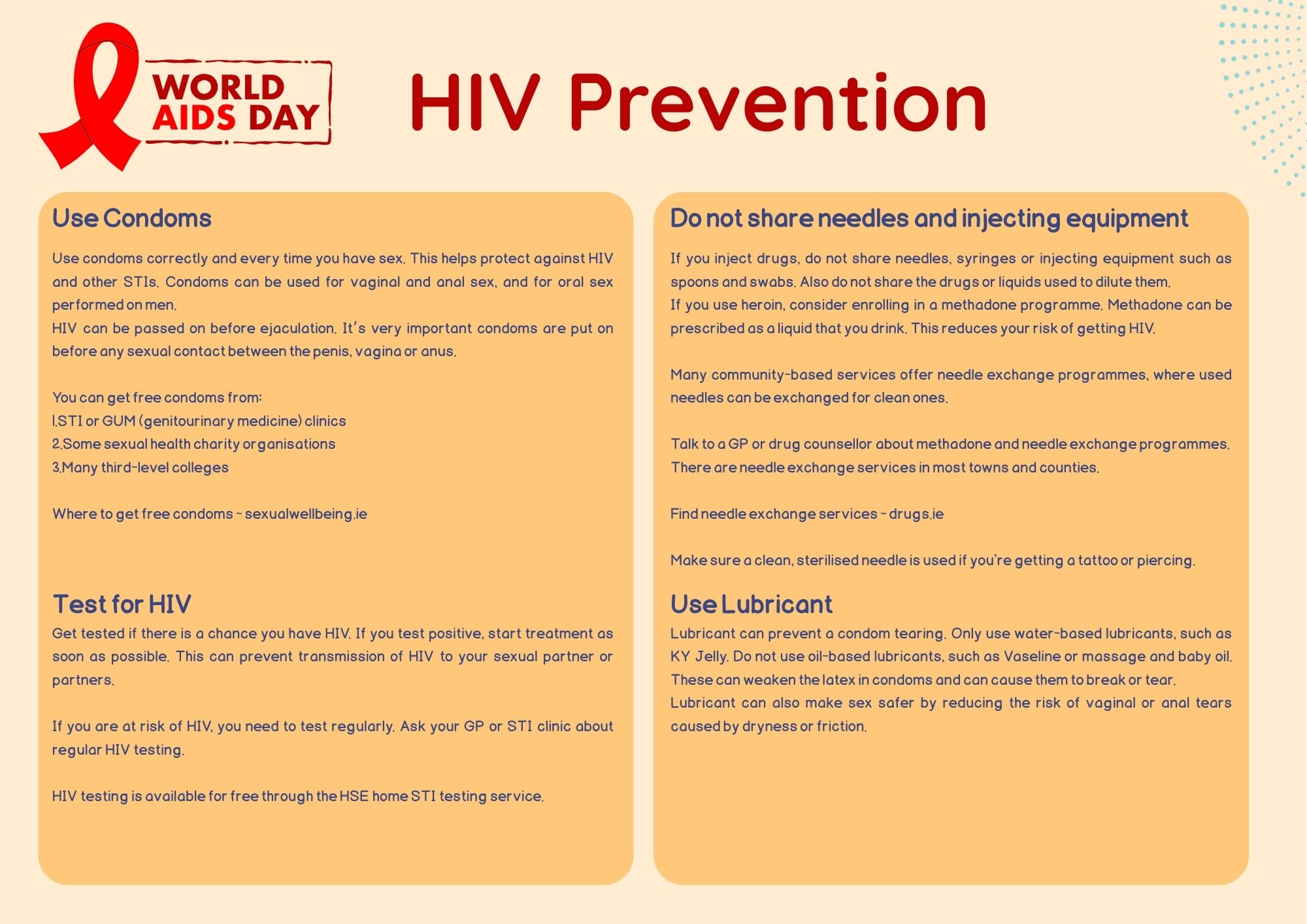
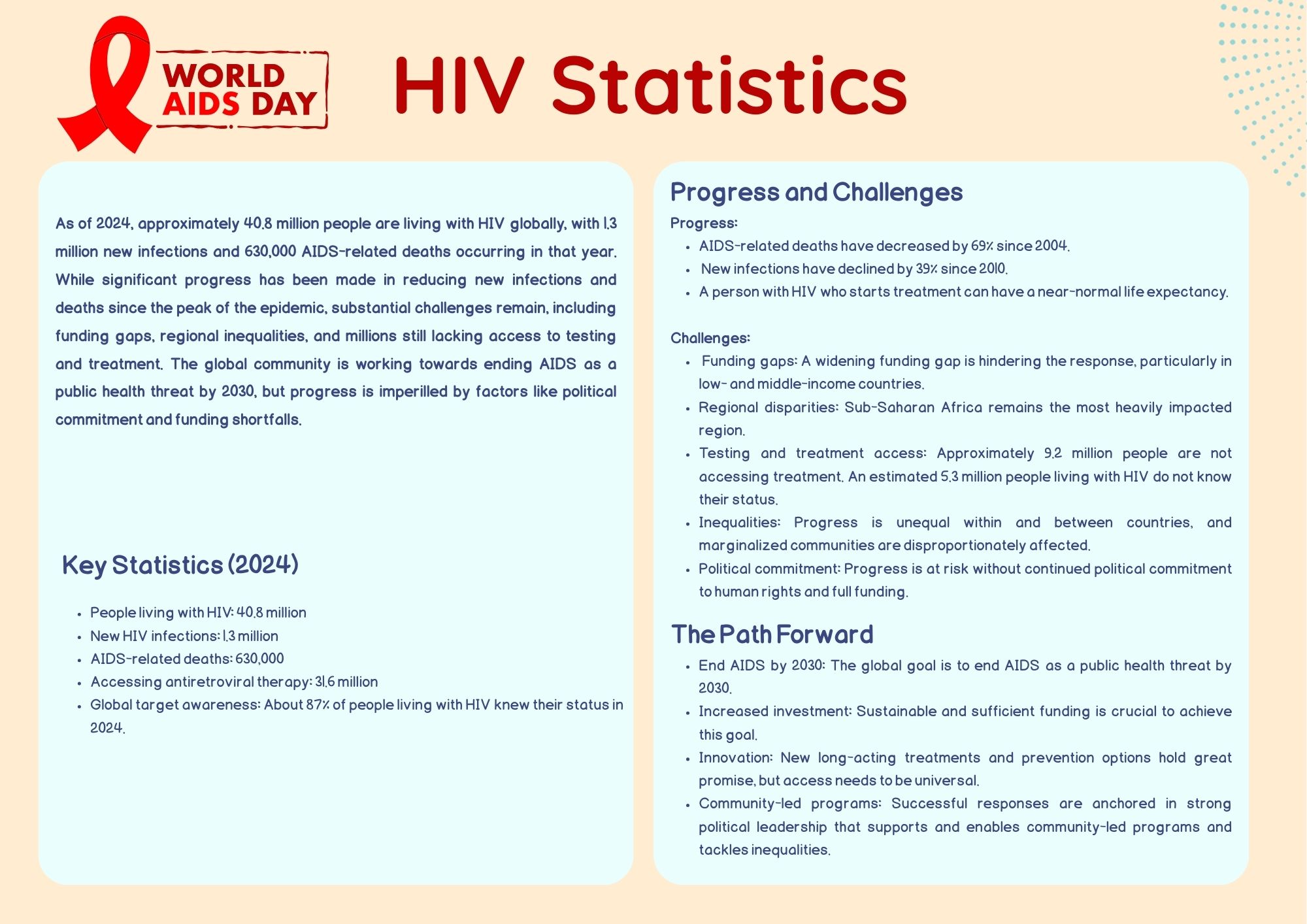
HIV Stories and Awareness Information